Trade Compliance
-
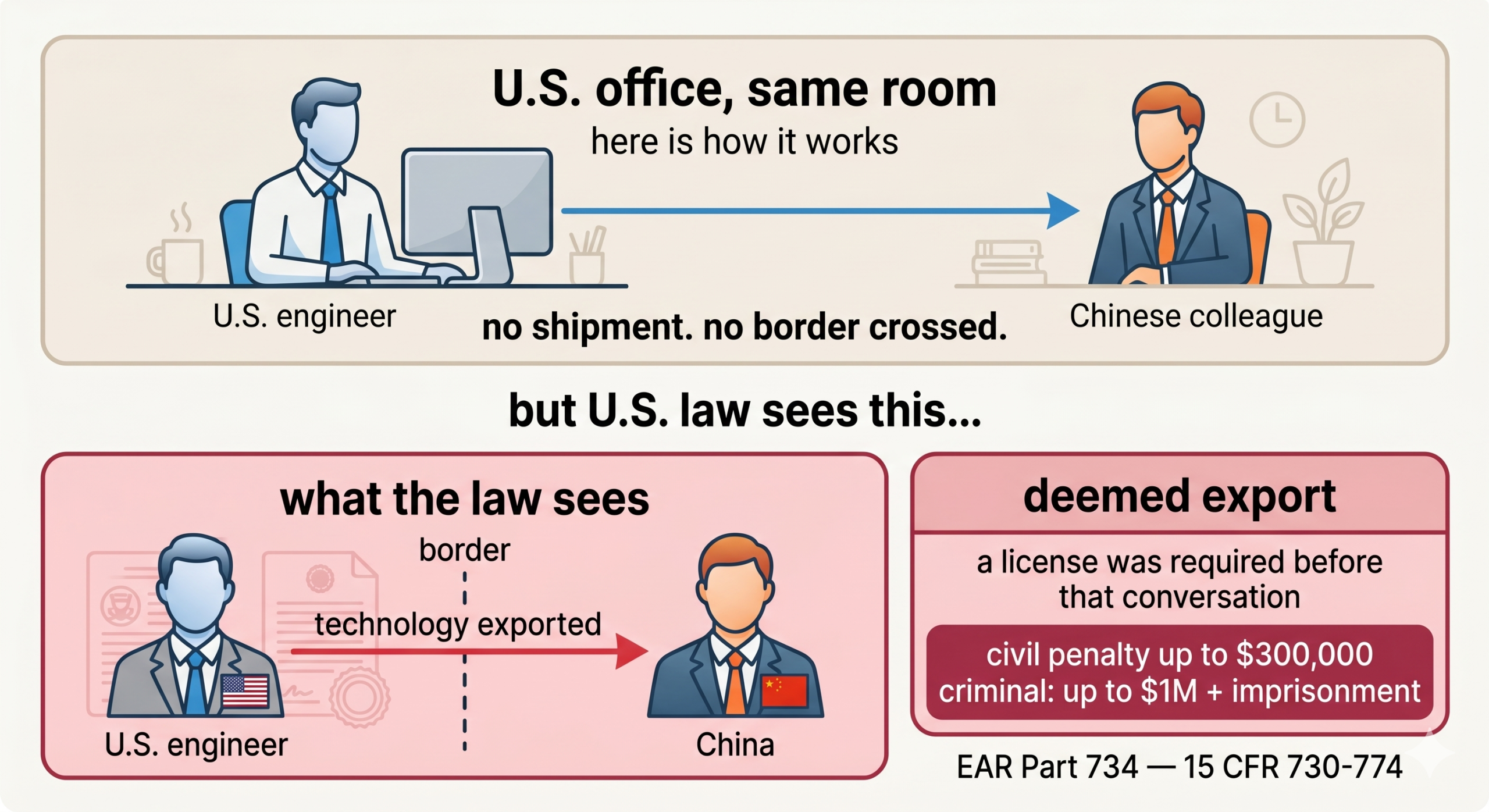
What U.S. Companies Need to Know About Deemed Exports
A deemed export is when sharing knowledge with a foreigner inside the U.S. counts legally as exporting that knowledge to their country. Normally an export means physically sending something out of the U.S. to another country. A deemed export is different. It happens inside the U.S. The moment you share controlled technology or technical knowledge
-
BIS Antiboycott – Simple Breakdown
The BIS Antiboycott framework prohibits U.S. persons from cooperating with foreign boycotts against U.S.-friendly countries (primarily Israel), requires them to report any such requests received, and publishes a list of parties known to have made such requests as a compliance alert tool. The Core Problem It Addresses Some countries (Arab League members) maintain a boycott
-

GAER: Exporting Imported SCOMET Items After Repair in India
Source: Handbook of Procedures 2023, Chapter 10, DGFT, Ministry of Commerce and Industry, Government of India, updated 05 June 2025. Para 10.12(D). The Problem This Blog Answers Your Indian company imports SCOMET items from a foreign entity for repair at your facility in India. Once repaired, the items need to go back to the foreign
-
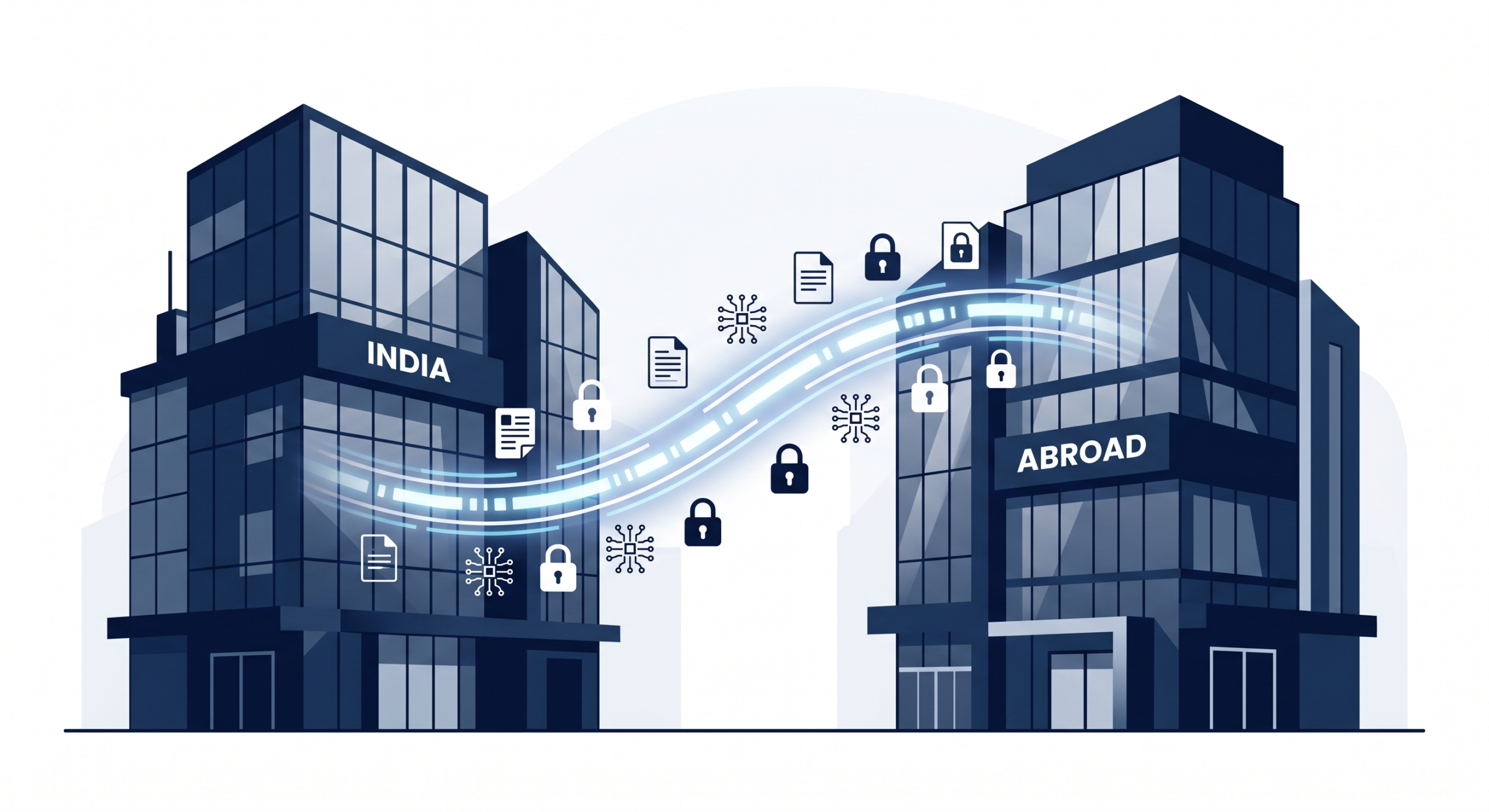
GAICT: Intra-Company Transfers of SCOMET Items Without Repeated Licensing
Source: Handbook of Procedures 2023, Chapter 10, DGFT, Ministry of Commerce and Industry, Government of India, updated 05 June 2025. Para 10.15. The Problem This Blog Answers Your Indian company regularly transfers SCOMET items, software, or technology to your foreign subsidiary or parent company as part of ongoing design, development, testing, or delivery work. Every
-
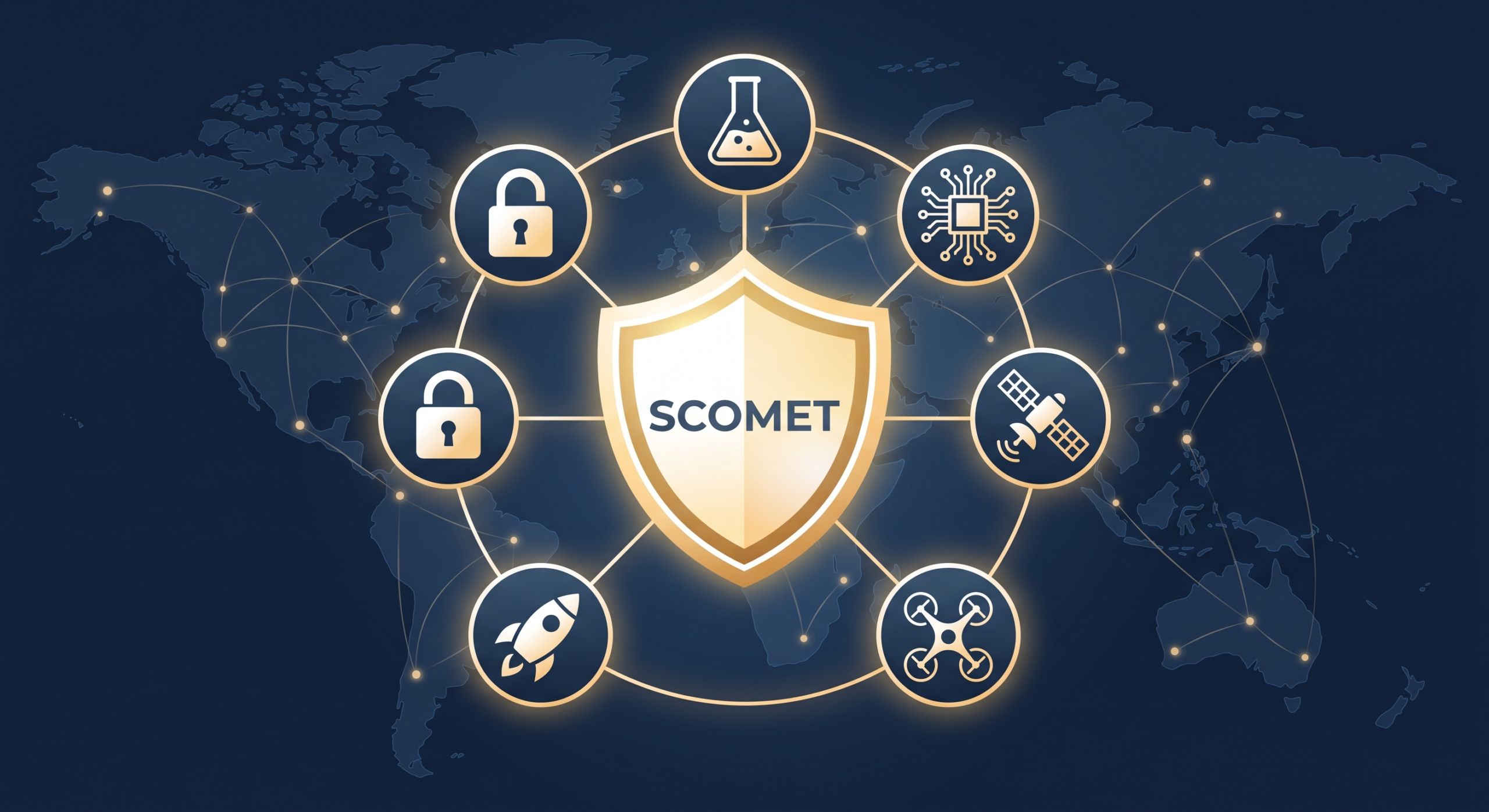
General Authorisations under India’s SCOMET Framework
What Are General Authorisations and Why Do They Exist? Source: Handbook of Procedures 2023, Chapter 10, DGFT, Ministry of Commerce and Industry, Government of India, updated 05 June 2025. Paras 10.00, 10.01, 10.02, 10.04, 10.05, 10.06. The Problem This Blog Answers You manufacture or trade in a controlled item. Every time you want to export
-
India Defence Export Controls: The Complete DDP NOC Process Explained
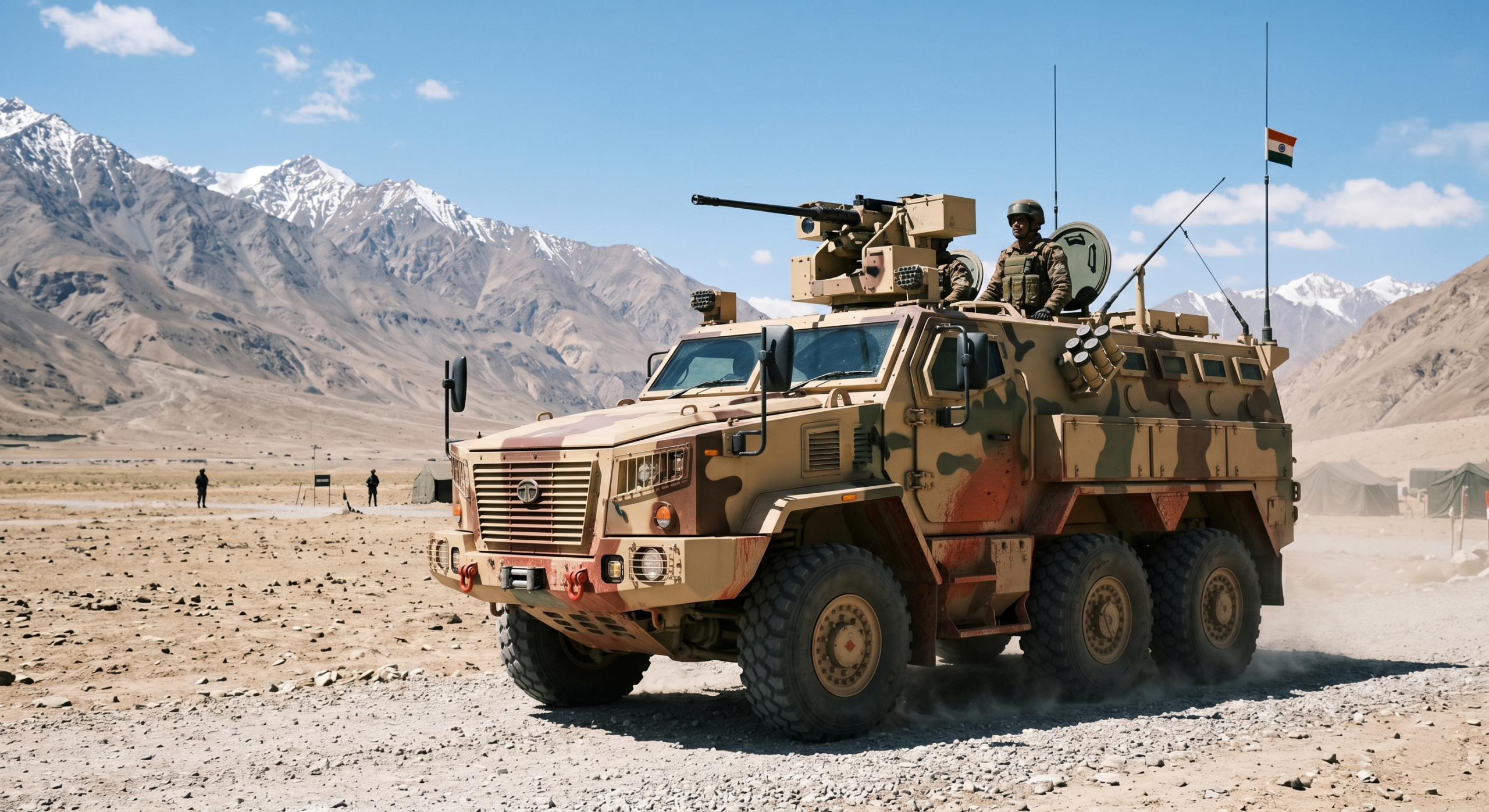
Section 1 ) The Basic Rule – Do You Need a NOC? If you are exporting anything that qualifies as a military store from India, whether you are a private manufacturer, a PSU, or a trading entity, you need a No Objection Certificate (NOC) from the Department of Defence Production (DDP), Ministry of Defence, before
-
What is SCOMET and Why Does It Matter?
What Are Strategic Trade Controls? Strategic Trade Controls (STC) are laws and regulations that govern the management of the flow of dual-use goods, services, and technologies across national borders. These laws and regulations primarily focus on controlling the export of such items in order to balance a country’s commercial and security considerations. The term “dual-use”
-
The Corridor Is Narrowing
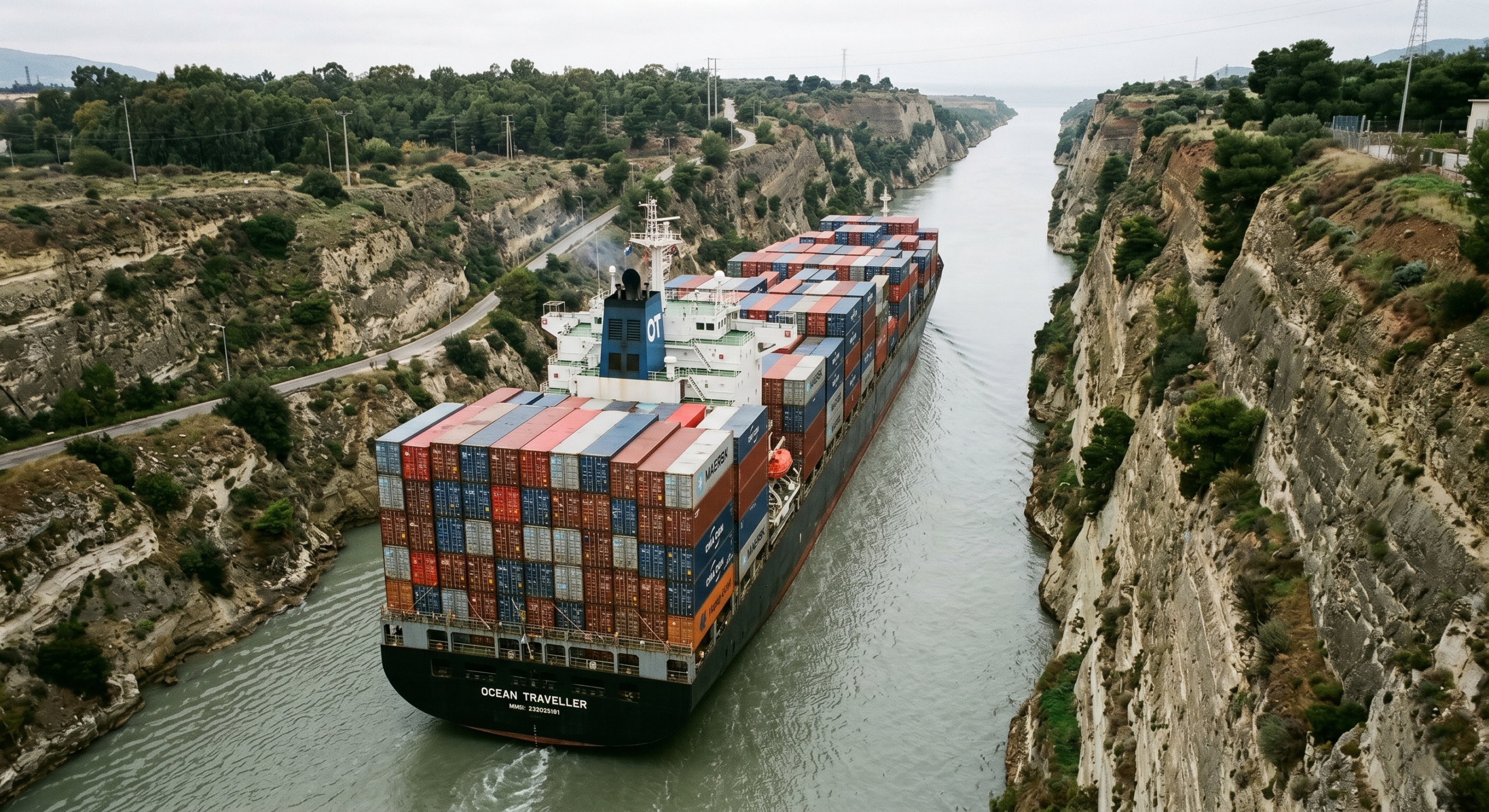
Why Global Trade Has Never Been This Complicated Why global trade has entered its most legally treacherous era, and what that means for everyone moving goods across borders. For three decades, global trade operated on a comfortable illusion: that goods, money, and information could move freely across borders as long as the paperwork was right.
-
The U.S. Antiboycott Law: What Every Freight Forwarder Needs to Know
Most freight forwarders and trade compliance professionals know about OFAC. They know about the Entity List. They know about sanctions screening. But there is a lesser-known rule sitting quietly in U.S. law that can land you in serious trouble, not for what you ship, but for what you sign. This is the U.S. Antiboycott Law.